Career skills encompass a wide range of competencies and qualities that are essential for achieving professional success and advancement. These skills go beyond technical expertise and include abilities such as communication, problem-solving, adaptability, teamwork, leadership, time management, and critical thinking. Developing career skills enables individuals to effectively navigate the ever-changing job market, excel in their roles, and seize new opportunities. These skills empower individuals to communicate effectively, collaborate with diverse teams, solve complex problems, manage priorities, and lead others. By continuously honing and expanding their career skills, individuals can enhance their employability, achieve career growth, and thrive in the rapidly evolving professional landscape.
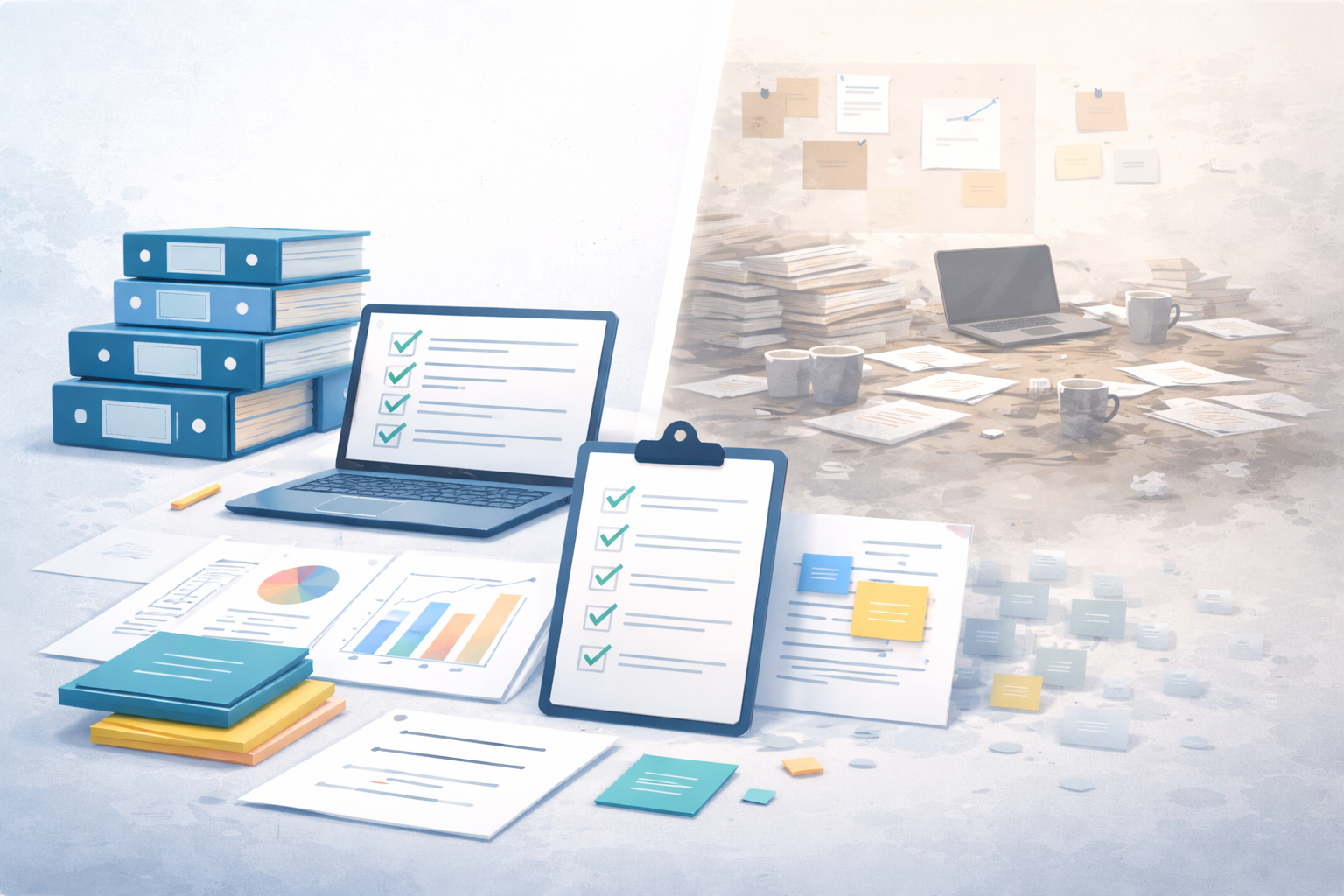
When learning looks complete but capability has not been demonstrated, the gap only appears in real work.
Why Learning Without Application Fails Knowing vs Doing Quick Answer Learning fails when activity is mistaken for capability. Completion, attendance, and participation measure motion, not readiness. When systems treat visible…
Learning that is not applied gradually fades, leaving confidence intact but capability unproven.
Why Most Learning Is Forgotten Without Application Knowing vs Doing Quick Answer Most learning is forgotten because the brain discards information that is not used. Without application, learning is treated…
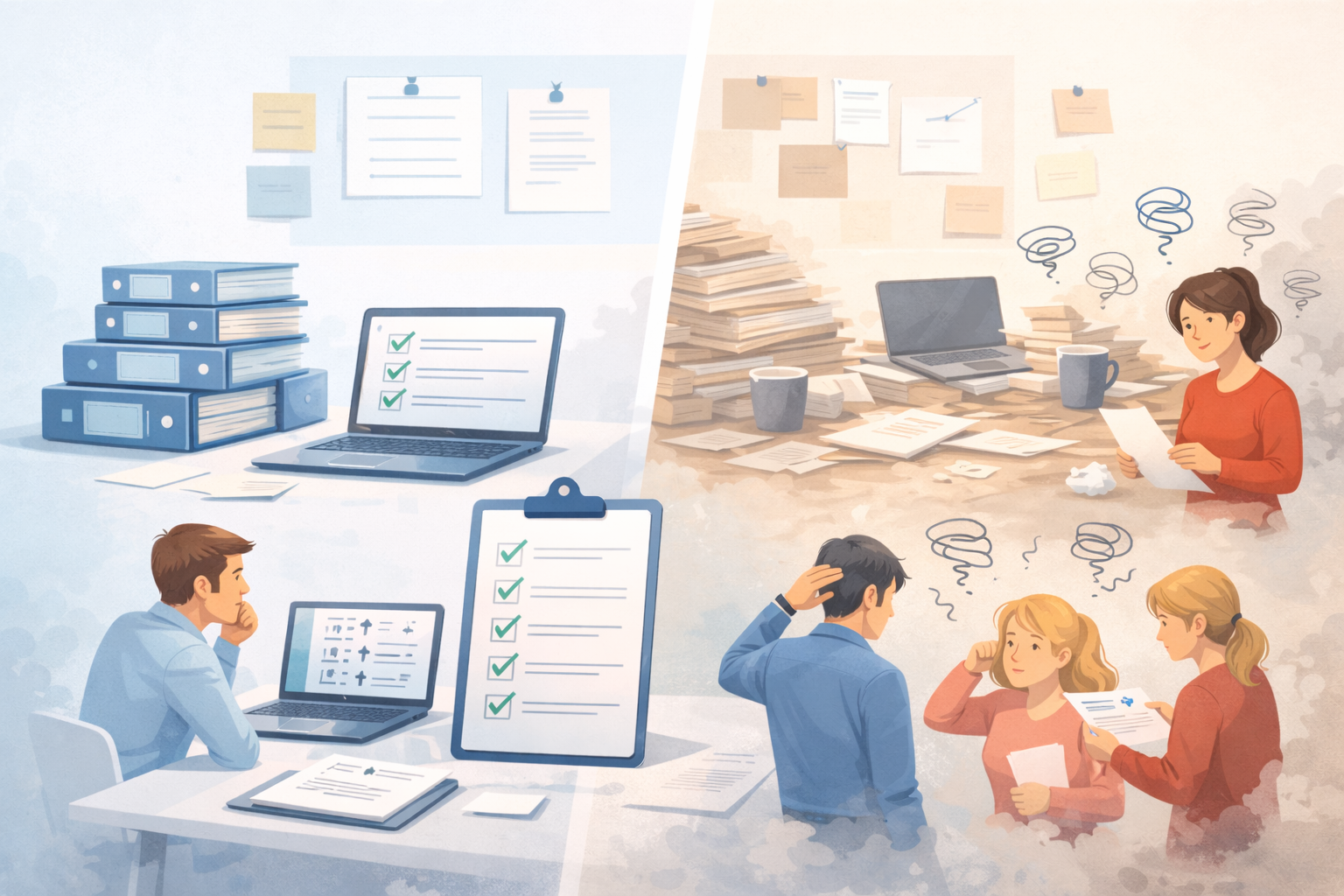
Completed learning activity does not guarantee effective performance in real working conditions.
Why Learning Without Application Fails Knowing vs Doing Quick Answer Learning without application fails because it measures activity rather than capability. Completion, attendance, and knowledge recall show that learning occurred,…
Orderly knowledge does not guarantee effective execution in real working conditions.
Why Knowing Is Not the Same as Doing Knowing vs Doing Quick Answer Knowing is not the same as doing because understanding a concept does not prove the ability to…
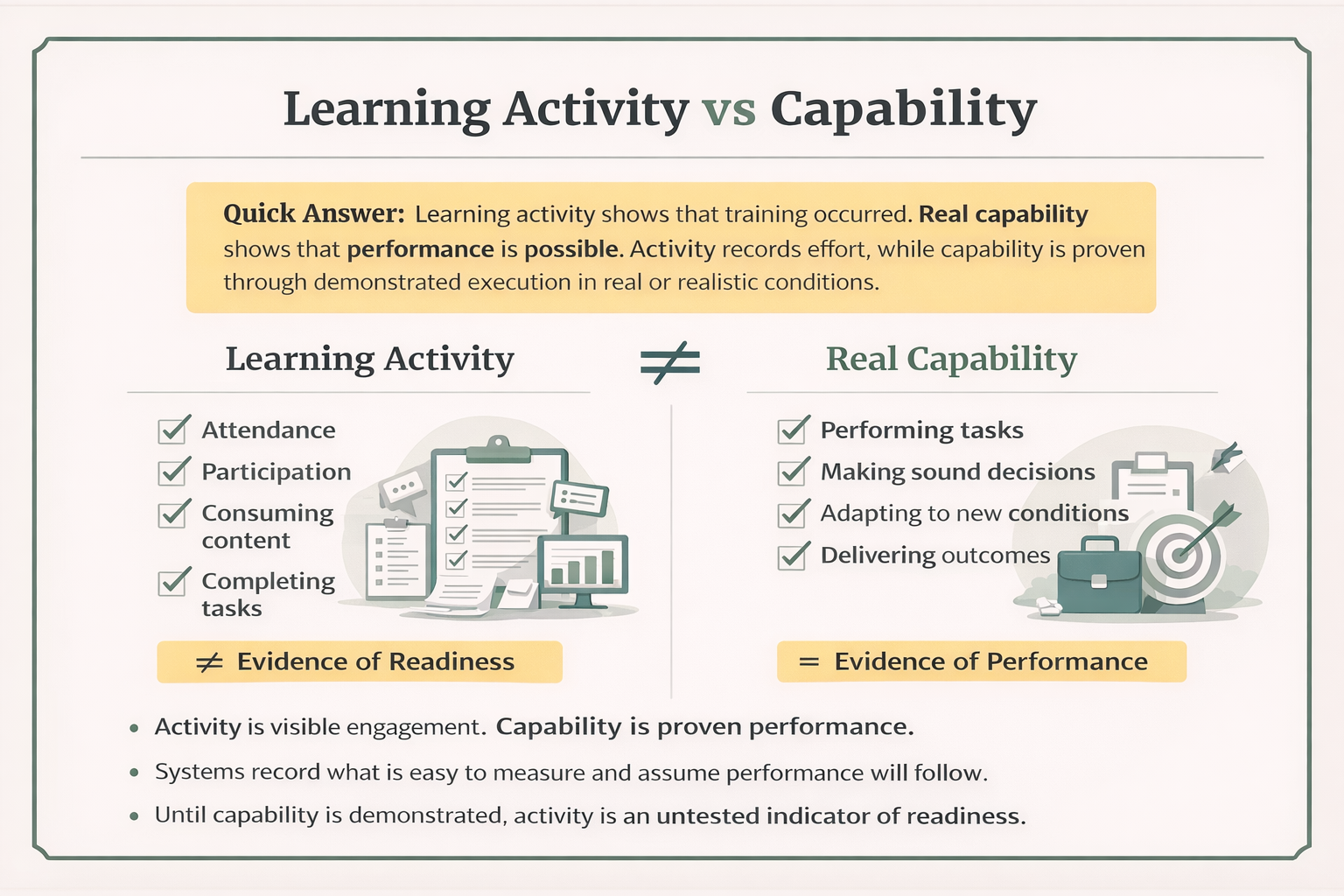
Learning activity shows engagement. Real capability is proven through demonstrated performance.
The Difference Between Learning Activity and Real Capability Learning Activity vs Real Capability Quick Answer: Learning activity shows that training occurred. Real capability shows that performance is possible. Activity…

A workplace discussion highlighting the role of body language and active listening in developing effective communication skills.
Day 7: Develop Verbal Communication Skills – Confident Workplace Discussions Strong verbal communication skills are essential for building successful workplace relationships and contributing effectively to team goals. Whether you’re presenting…

"Great leaders listen before they speak. Master emotional intelligence to communicate with confidence and build stronger professional relationships."
The Importance of Professional Email Communication Emails are a cornerstone of workplace communication. A well-written, professional email reflects your competence, clarity, and attention to detail—qualities that employers value in their…

A close-up of a collaborative CV review session, with one individual pointing out details while the other takes notes.
Crafting a Resume That Gets You Noticed Your resume is your first chance to make an impression on employers, so it needs to stand out. A job-ready resume highlights your…

Set clear career goals and create a personal development plan to enhance your skills and achieve professional success.
The Power of a Personal Development Plan Success doesn’t happen by chance—it’s the result of clear goals and actionable steps. A personal development plan helps you identify your skill gaps…

"A diverse team collaborates around a whiteboard, brainstorming and mapping ideas in a modern office setting."
Your Guide to Researching Industry Trends The job market is constantly changing, and understanding the latest industry trends is key to staying ahead. Employers value candidates who are informed about…